KAMPALA, Uganda – Sironko District Woman Member of Parliament Hon. Mafabi Asha Nabulo has called for urgent government intervention to strengthen malaria diagnosis and treatment in schools, warning that inadequate case management is fueling a growing health crisis among learners across the country.
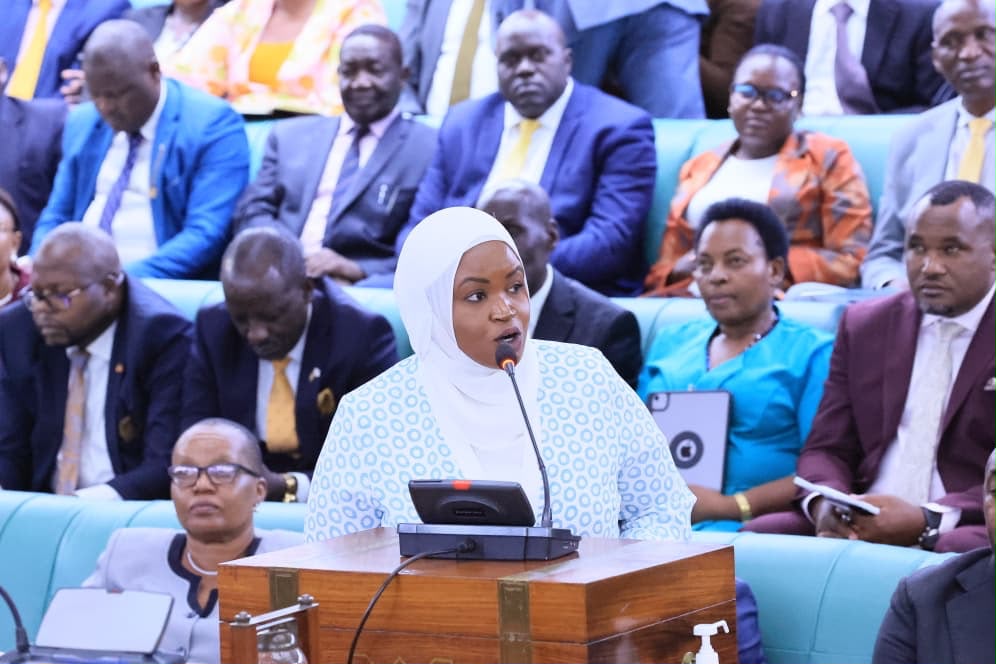
Speaking during Wednesday’s plenary sitting of Parliament, Hon. Nabulo expressed concern over the increasing prevalence of malaria, noting that schools are now recording a significant share of reported cases as the disease continues to threaten the health and academic performance of thousands of children.
Challenging outdated malaria statistics, the legislator emphasized that the current burden of the disease is far greater than previously reported.
“I need to clarify that the prevalence is no longer 10 percent. Those were statistics of 2019, and it has actually increased,” Hon. Nabulo told Parliament.
Her remarks came during a parliamentary debate on the country’s malaria burden following growing concerns over rising infections and reports of deaths among school-going children linked to severe malaria and delayed treatment.
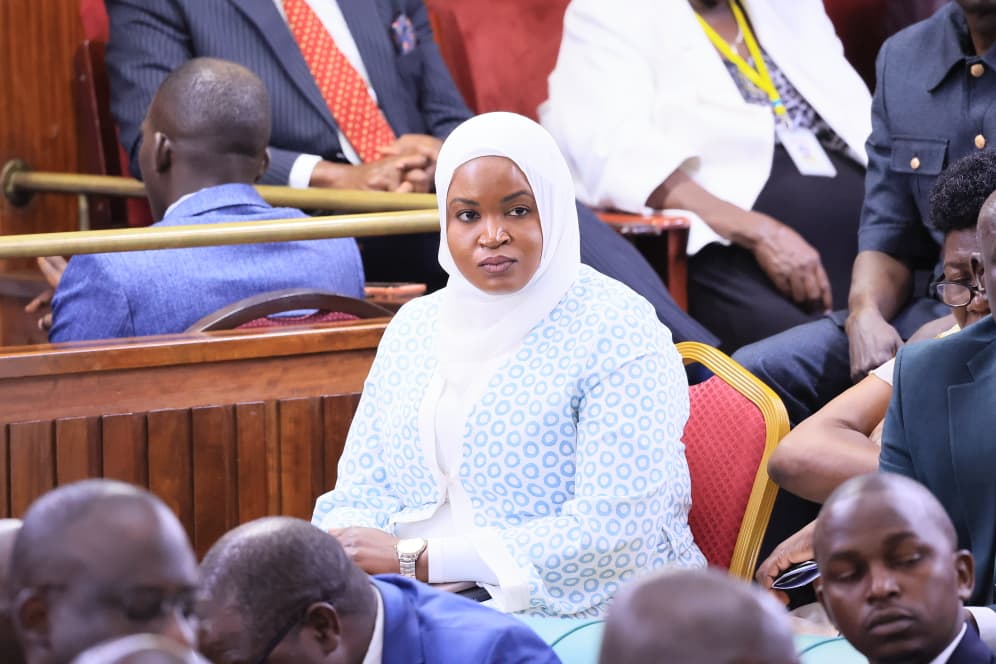
She pointed to schools as a critical area requiring immediate attention, saying many institutions lack proper systems for diagnosing and managing malaria cases.
“Many of these malaria cases are actually in schools, secondary schools and primary schools. Like my colleague has mentioned, the treatment method is where the problem is,” she said.
Hon. Nabulo revealed that some schools continue to administer painkillers to learners suffering from fever and headaches without carrying out malaria tests, a practice she warned could have devastating consequences.
“They give them Panadol for headaches alone,” she said, stressing that failure to diagnose malaria early allows the disease to worsen and increases the risk of severe complications and death.
She urged the Ministries of Health and Education to work closely to improve malaria management in schools by establishing functional sick bays, equipping schools with diagnostic tools, training health personnel, and ensuring learners receive timely and appropriate treatment.
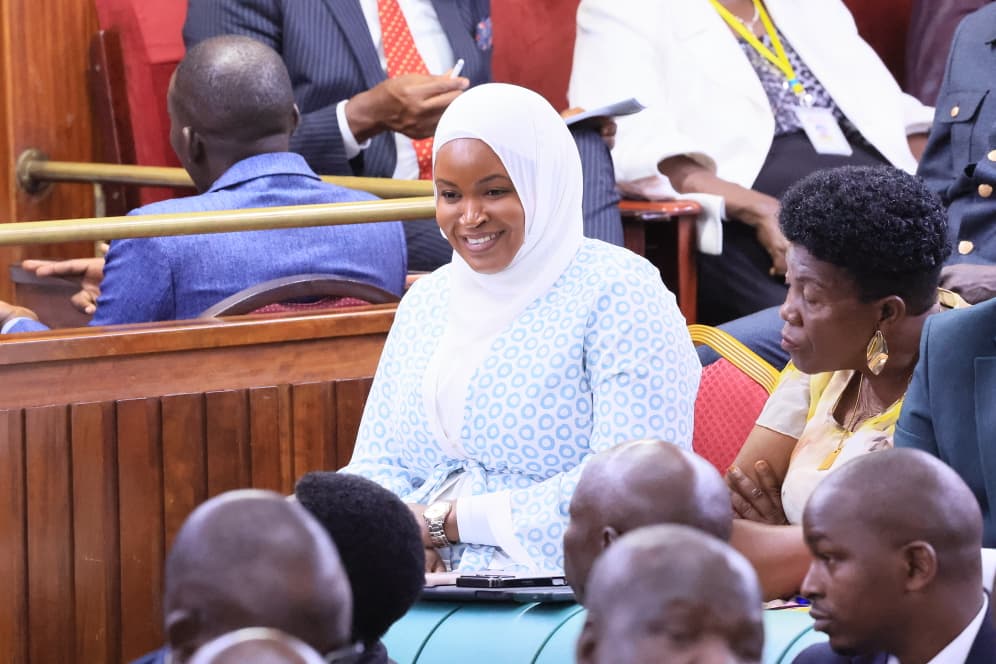
Parliament also heard that school-going children play a major role in malaria transmission within communities, with research showing that many carry malaria parasites without exhibiting symptoms, making schools an important focal point in controlling the disease.
Uganda continues to face one of the highest malaria burdens globally. According to the Uganda Malaria Indicator Survey 2024–2025, malaria parasite prevalence among children aged six to 59 months has risen to approximately 21 percent, up from 9 percent recorded in the 2018–2019 survey, highlighting a worrying increase in infections.
Health experts have attributed the rise in severe malaria cases to delayed diagnosis, inadequate treatment, and poor health-seeking behavior, factors that continue to claim lives despite malaria being both preventable and treatable.
No child should lose their education—or their life—to a disease that can be prevented, diagnosed, and treated. Schools must be empowered with the tools, personnel, and resources needed to fight malaria effectively. Protecting learners from malaria is not only a health priority; it is a national responsibility and a vital investment in Uganda’s future prosperity.