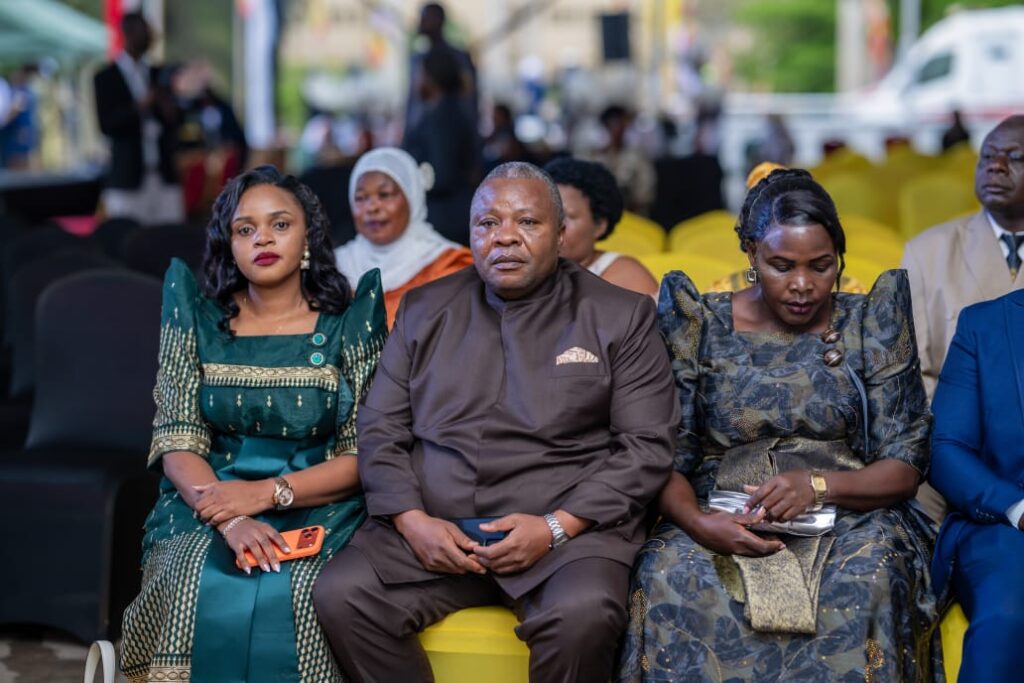
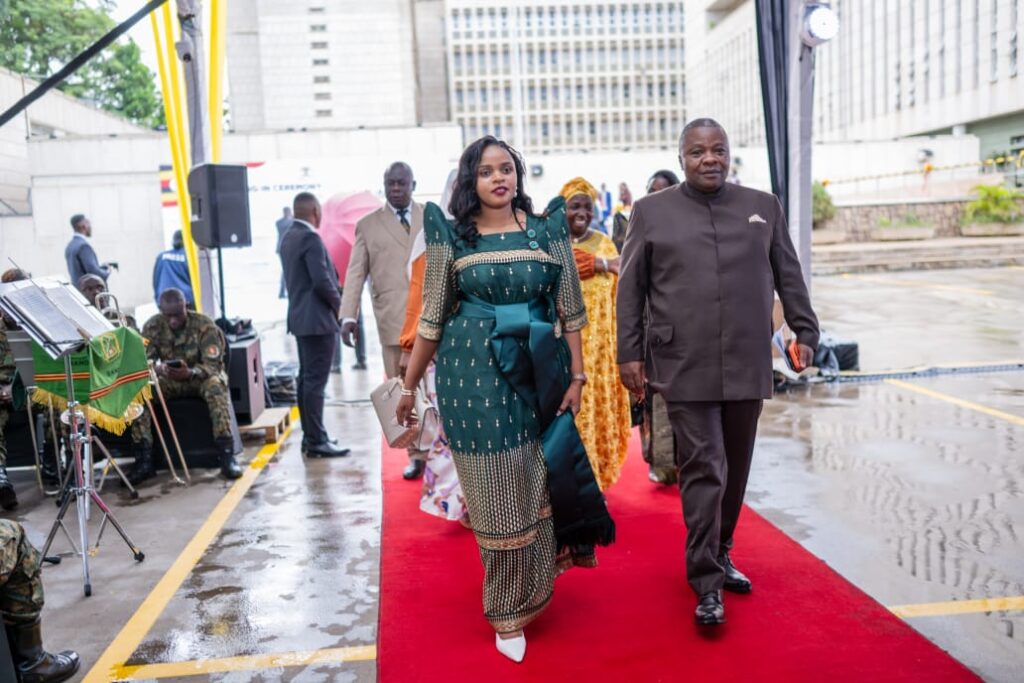
KAMPALA — A new political chapter has officially begun in Namisindwa District as Hon. Peace Khalayi was sworn in at Uganda’s Parliament as the Woman Member of Parliament, carrying with her the hopes, struggles, and aspirations of thousands of residents seeking better services and stronger representation.
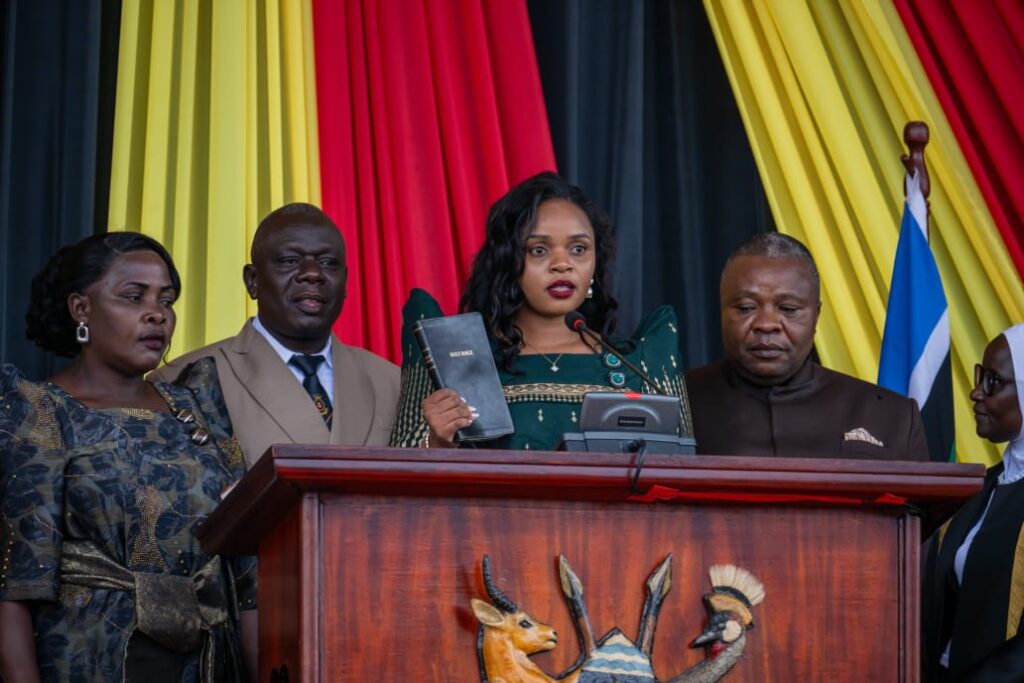
Moments after taking the oath of office, Khalayi delivered a bold and people-centered message, pledging to prioritize development and service ensuring that she is to start with the long-awaited upgrade of Bumbo Health Center III to a Health Center IV within her five-year term.
She noted that Namisindwa District remains one of the few districts without a Health Center IV, a situation she described as a major burden to residents, especially expectant mothers who are forced to travel long distances to seek treatment and referrals at Bugobero Hospital in Manafwa District, Bududa Hospital, and Mbale Regional Referral Hospital.
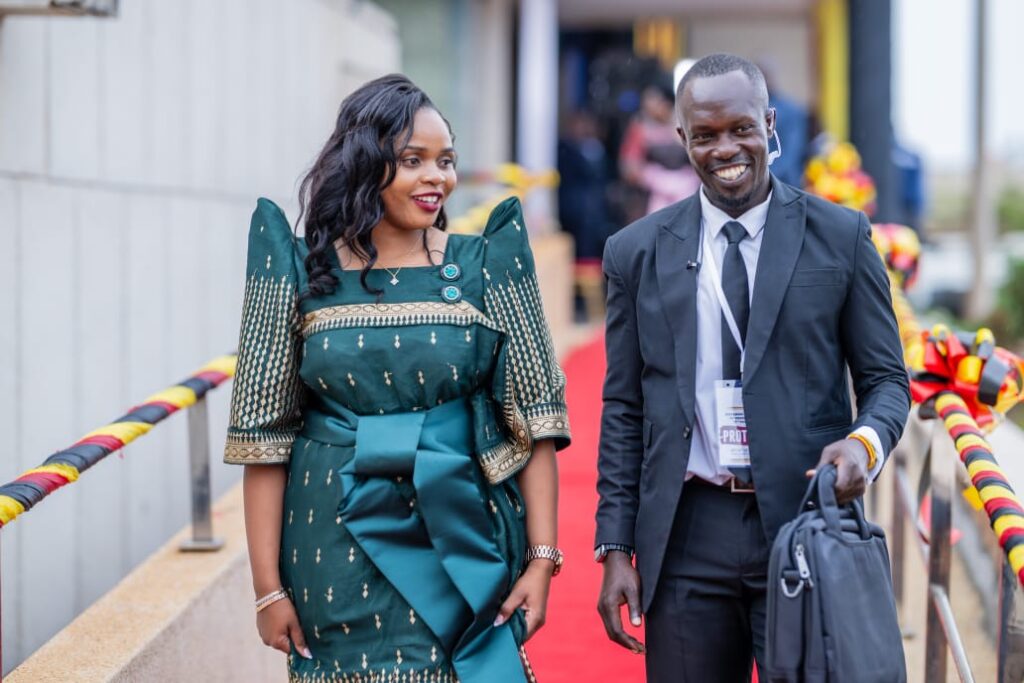
Khalayi emphasized that access to quality healthcare is not a privilege but a right, adding that her leadership will focus on transforming service delivery and ensuring that ordinary citizens feel the impact of government programs.
She further pledged to support the implementation of the National Resistance Movement manifesto under the leadership of President Yoweri Kaguta Museveni, saying development, unity, and empowerment of women and youth will remain central to her agenda.
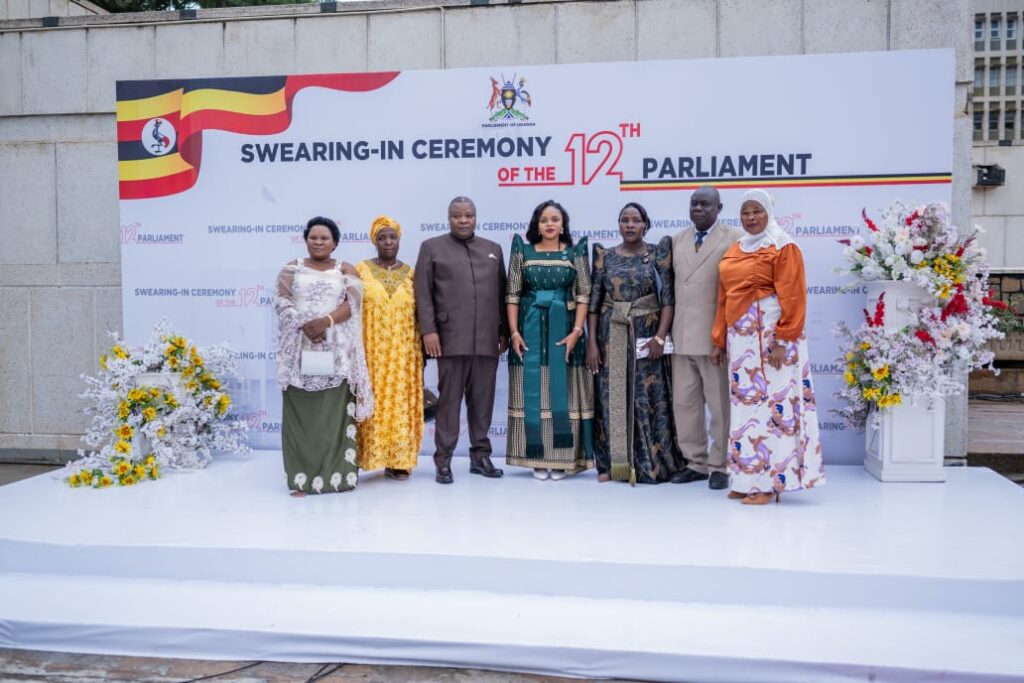
The swearing-in ceremony was welcomed with excitement by residents and local leaders from across Namisindwa. One of her coordinators from Lwakhakha praised Khalayi’s victory, saying the district had experienced years without strong and effective representation at the Woman MP seat.
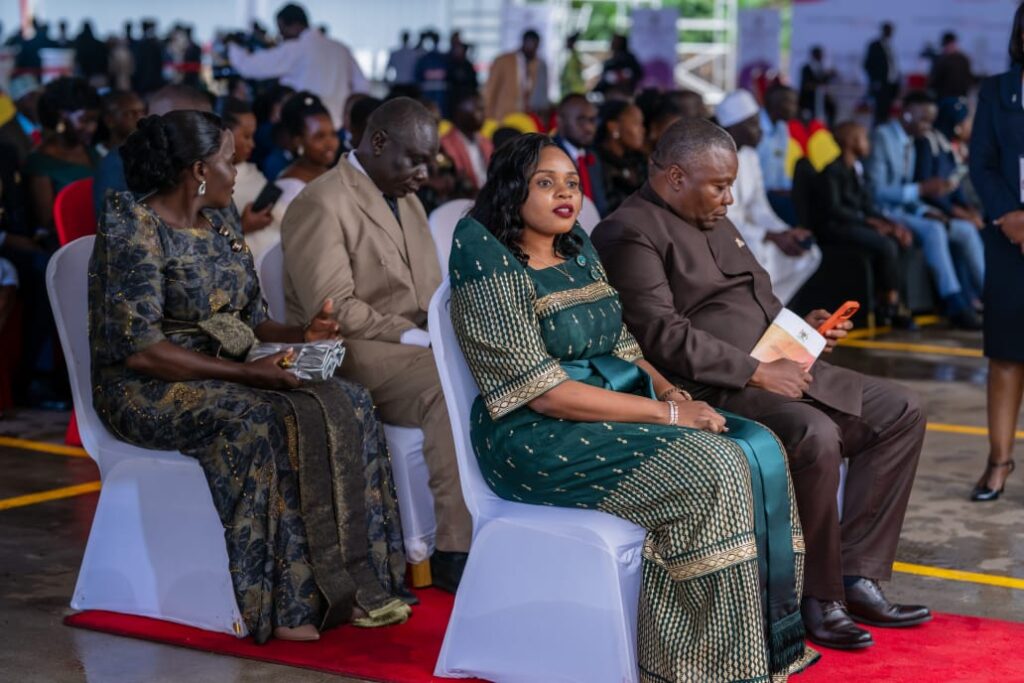
Residents expressed hope that her leadership will restore the voice of women, improve healthcare services, and bridge the gap between Parliament and the people on the ground.
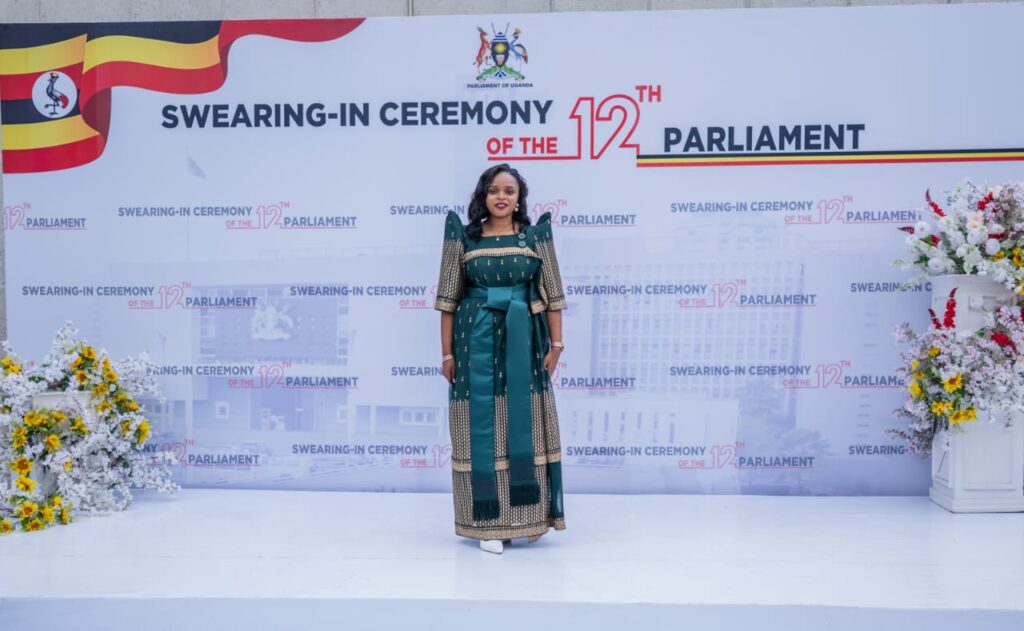
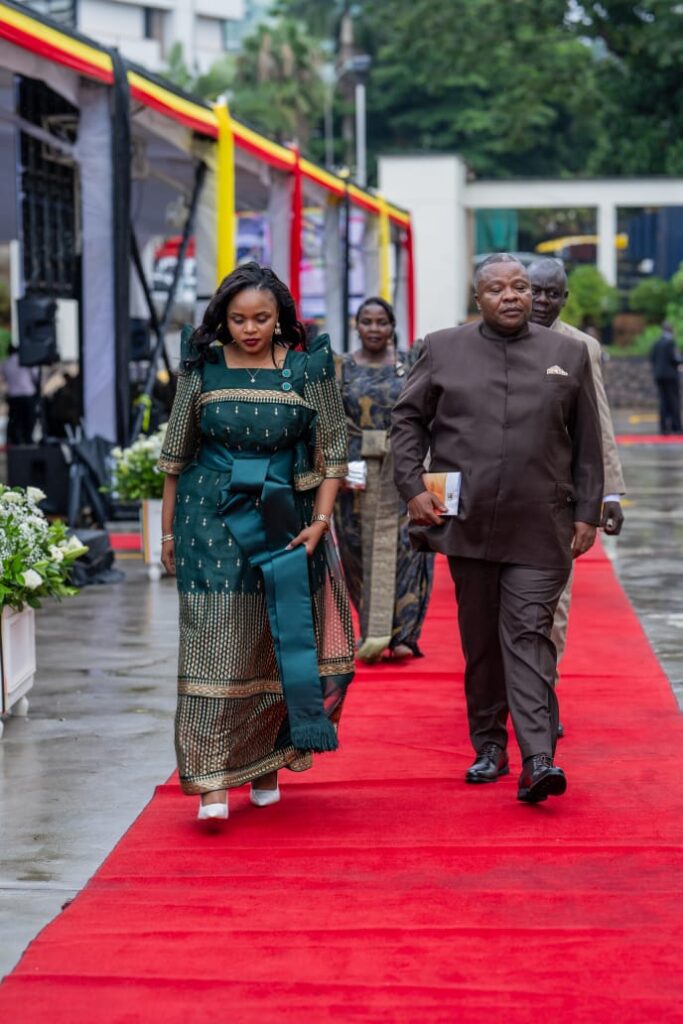
Her father, Mr. Simiyu, who escorted her, urged the newly sworn-in legislator to become a fearless advocate for women and vulnerable communities who, for years, have remained underrepresented in national decision-making.