Mbale, Uganda — In a landmark move hailed as a victory for peace, community participation and environmental conservation, the Bamasaaba Cultural Institution and the Uganda Wildlife Authority (UWA) have agreed on a comprehensive roadmap to guide the peaceful mapping and enforcement of the boundary between communities and Mt Elgon National Park.
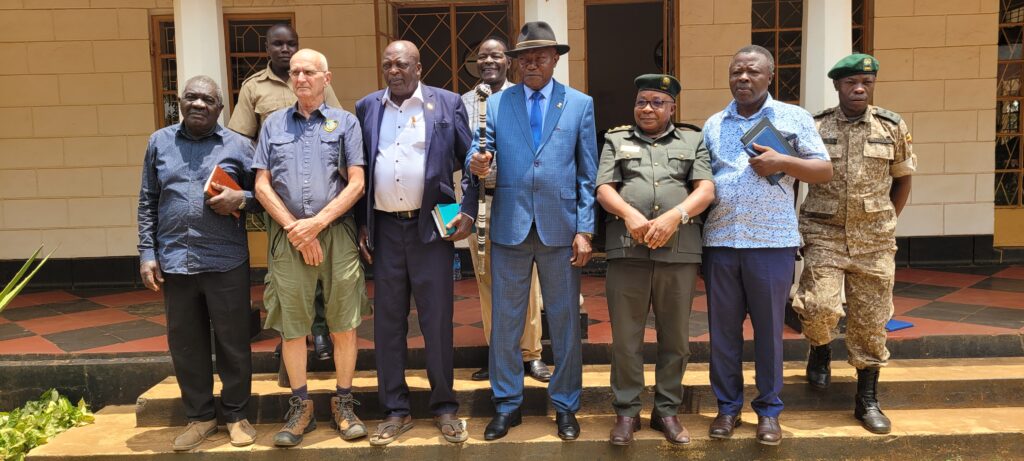
The breakthrough resolutions were reached during a crucial meeting held on August 31, 2026, attended by officials from UWA, leaders of the Bamasaaba Cultural Institution and investors operating within the Mt Elgon region.
The discussions come at a time when concerns have been growing among communities living near the protected area over the implementation of the park boundary and its impact on livelihoods, land use and community relations.
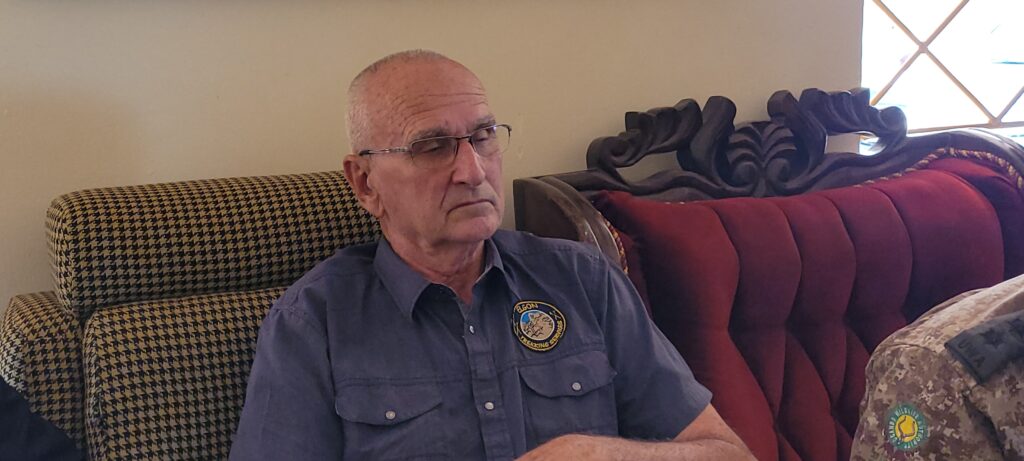
According to a statement issued by the spokesperson of the Bamasaaba Cultural Institution, Hon. Steven Masiga, the meeting focused on finding lasting solutions that protect both the interests of local communities and the integrity of Mt Elgon National Park while avoiding conflict.
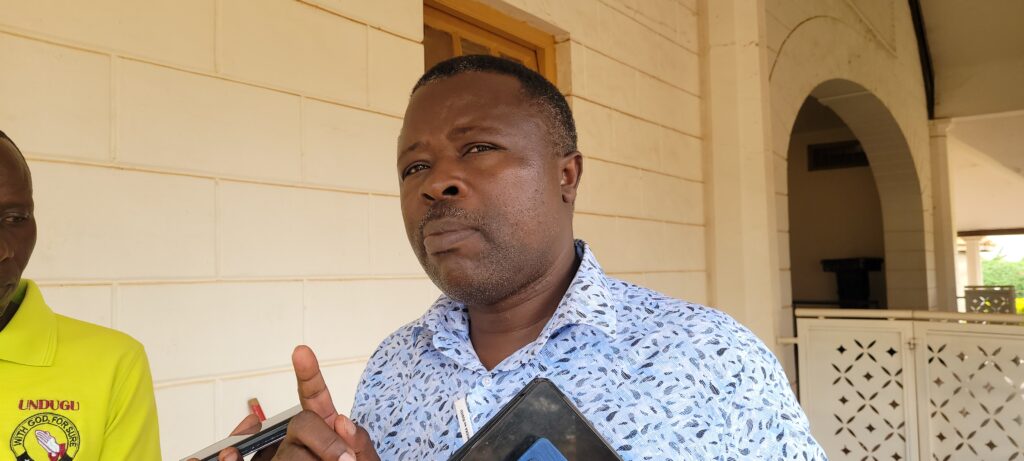
At the center of the agreement is a commitment to ensure that the people of Bugisu are fully informed and sensitized about the boundary line under enforcement. Leaders agreed that communities must understand the process, their rights and the agreed procedures before any major activities are undertaken.
The meeting further resolved that all surveying and mapping exercises should strictly follow previous agreements and understandings reached between the Government and the affected communities, ensuring transparency and fairness throughout the process.
To strengthen cooperation, both UWA and the Bamasaaba Cultural Institution agreed to develop and sign a formal working framework that will guide engagement between the two institutions during the boundary mapping and enforcement exercise.
Recognizing the influence and trust enjoyed by traditional leaders, the meeting also resolved that clan chairpersons across Bugisu should play a central role in community mobilization and awareness campaigns. Their involvement is expected to bridge communication gaps, address concerns and promote peaceful coexistence.
One of the strongest messages from the meeting was the outright rejection of force as a means of enforcing the boundary.
Instead, participants unanimously agreed that dialogue, consultation and mutual understanding should guide every stage of the process.
“We agreed that there should be a mechanism for resolving conflicts that may arise during the mapping and enforcement of the boundary,” Masiga noted, emphasizing the importance of peaceful engagement over confrontation.
The meeting also condemned individuals accused of exploiting vulnerable residents by collecting money from people living or operating in forest areas while promising protection or influence over boundary-related decisions.
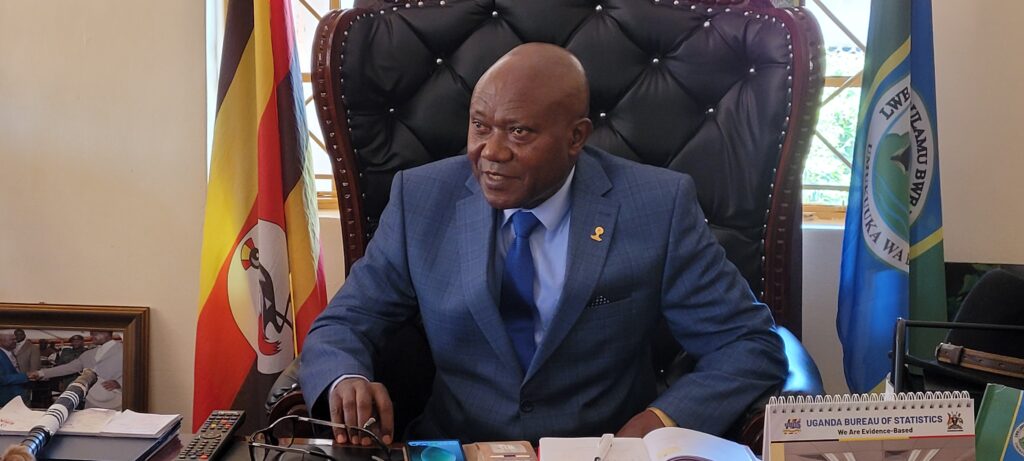
Leaders warned that such actions undermine genuine efforts to resolve the matter and urged communities to remain vigilant against opportunists seeking personal gain from public uncertainty.
In a significant step toward ending decades of recurring disputes, the stakeholders agreed on the need for a permanent and clearly identifiable boundary between communities and Mt Elgon National Park.
The proposed boundary is intended to be a lasting solution that removes uncertainty and prevents future conflicts.
To achieve this, participants recommended the use of durable and modern boundary markers, including permanent pillars, natural drainage features and other scientifically reliable methods capable of standing the test of time.
The meeting further emphasized that roads alone should not be used as permanent boundary markers, noting that more sustainable and accurate approaches are required.
The Bamasaaba Cultural Institution through Umukuka Sir. Mike Mudoma reaffirmed its commitment to remain actively involved throughout the process, arguing that cultural leaders are uniquely positioned to ensure that community voices are heard and respected.
Masiga said the institution believes that the active participation of cultural structures will help strengthen trust between communities, Government agencies and conservation authorities.
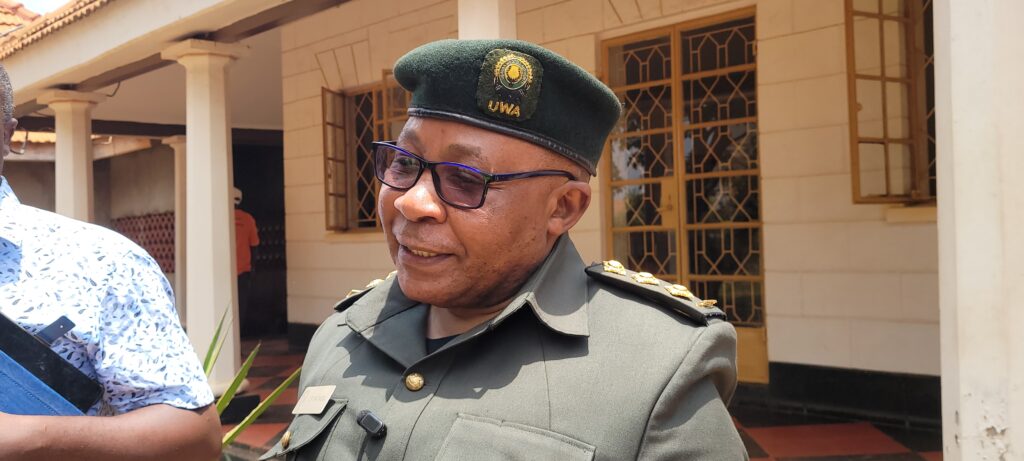
The meeting concluded with a request to UWA Deputy Warden Richard Matanda to present the agreed resolutions to the highest levels of Government for consideration and implementation.