BY ENOCK MUSIKA
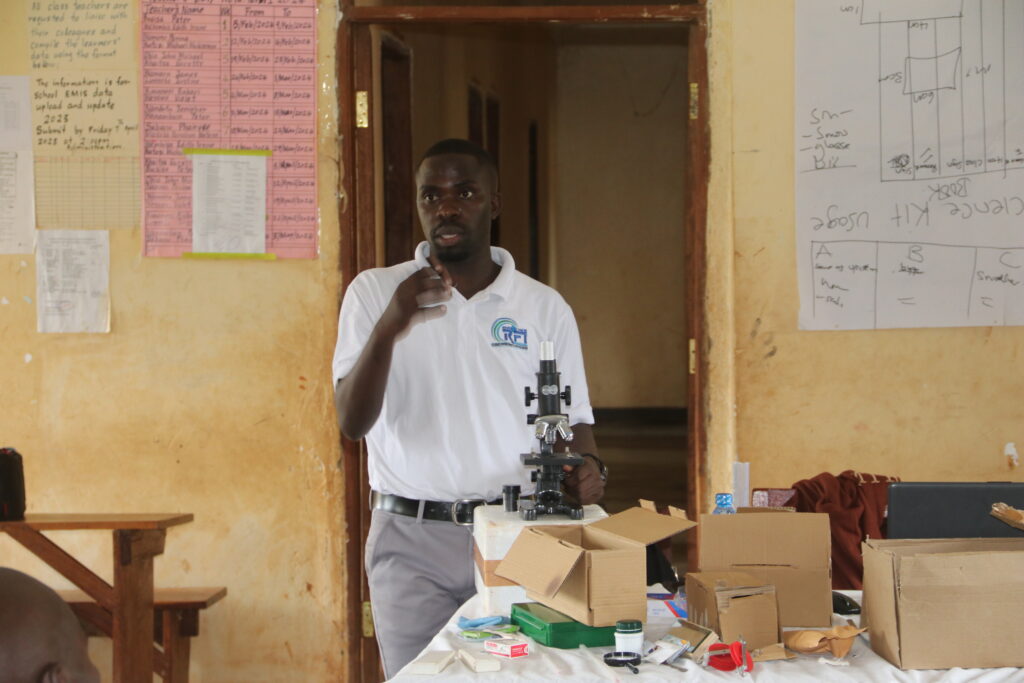
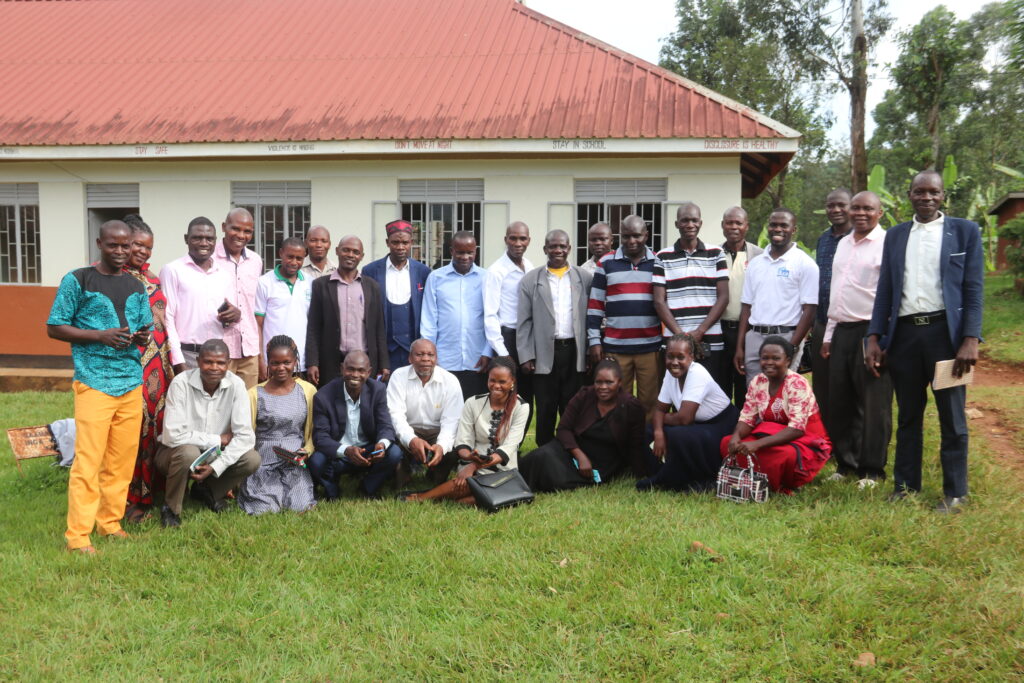
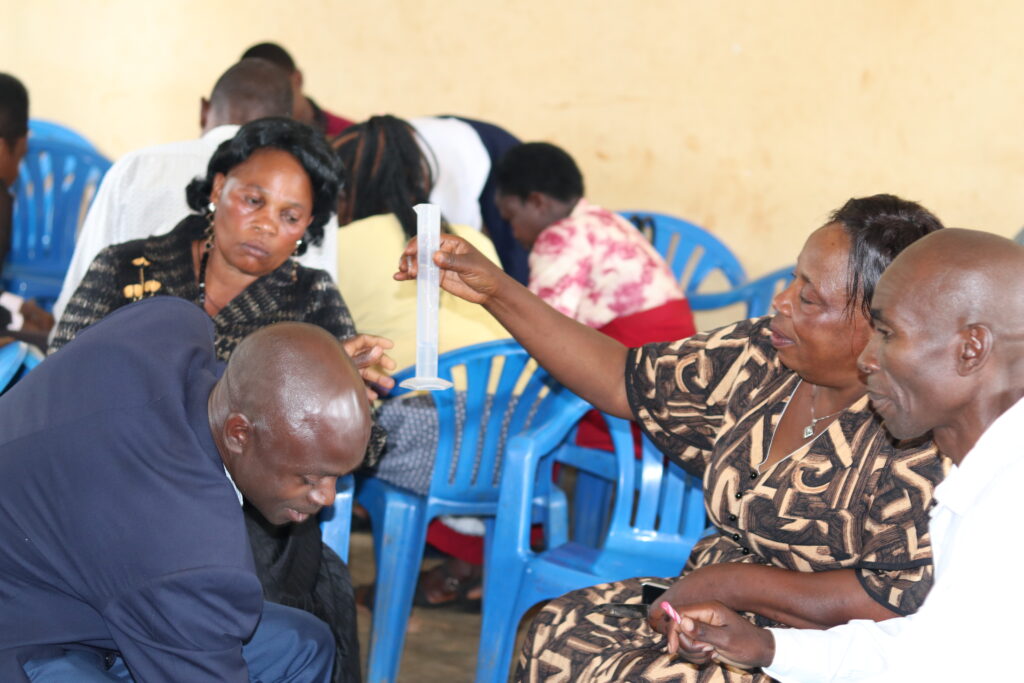
Today it was an excitement at Bududa C.O.U primary school in Bududa District where the Riverflow International, in partnership with the Ministry of Education and Sports, convened a targeted workshop for primary science teachers—an intervention aimed not at provision, but at activation.
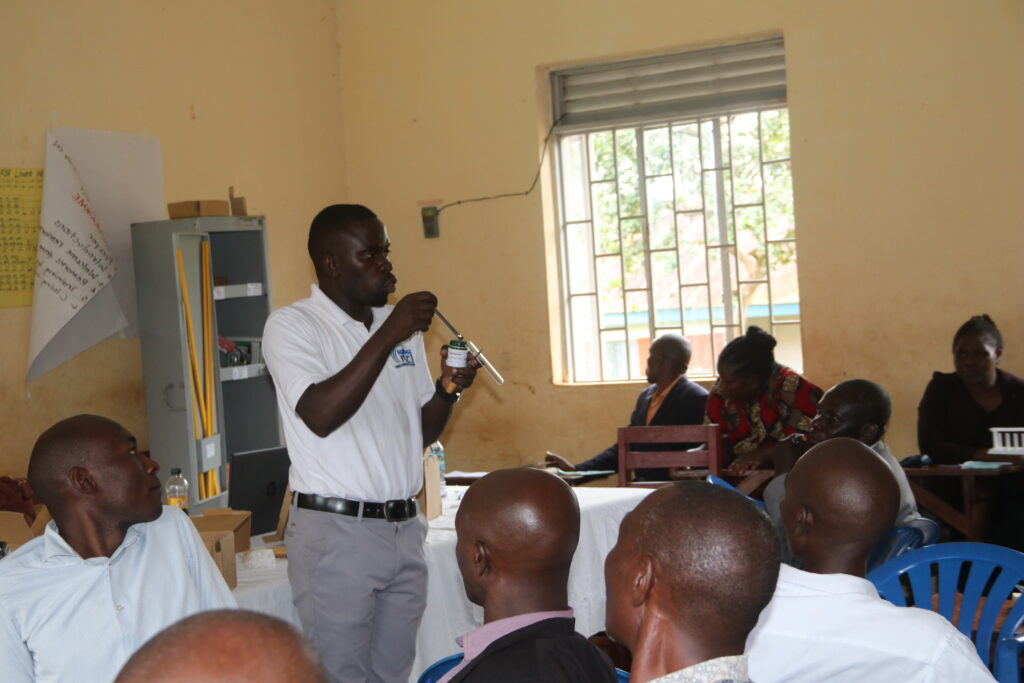
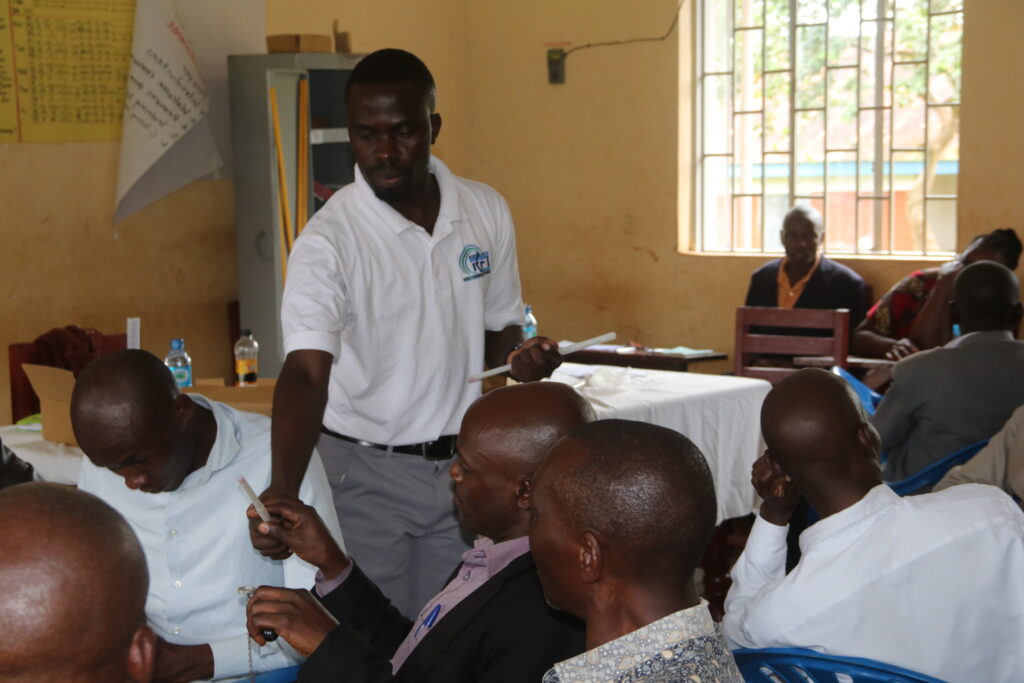
For the 2023/2024 financial year, science kits had already been delivered to schools across the district. Yet, as is often the case, the absence of timely training rendered these tools underutilized. The workshop, led by Science Outreach Officer Nobert Nagaba, sought to resolve this disconnect. His approach was both practical and conceptual: teachers were not only introduced to the functional use of each item in the kit, but also guided on how to integrate these tools into the existing curriculum in ways that foster genuine understanding.
At the heart of the training was a critique of the long-standing teacher-centered model—an approach that prioritizes content delivery over learner engagement. Nagaba’s emphasis on a practical, learner-centered pedagogy reflects a broader educational philosophy: that knowledge is best constructed through interaction, experimentation, and reflection. In this model, the classroom becomes a space of inquiry rather than instruction, and the teacher assumes the role of facilitator rather than sole authority.
However, the workshop extended beyond pedagogy into questions of sustainability and responsibility. The science kits, described as delicate and valuable, were framed not merely as teaching aids but as long-term investments in educational quality. The call to protect and preserve them—so they may serve learners for a decade or more—introduces a culture of stewardship that is often overlooked in resource-driven reforms.
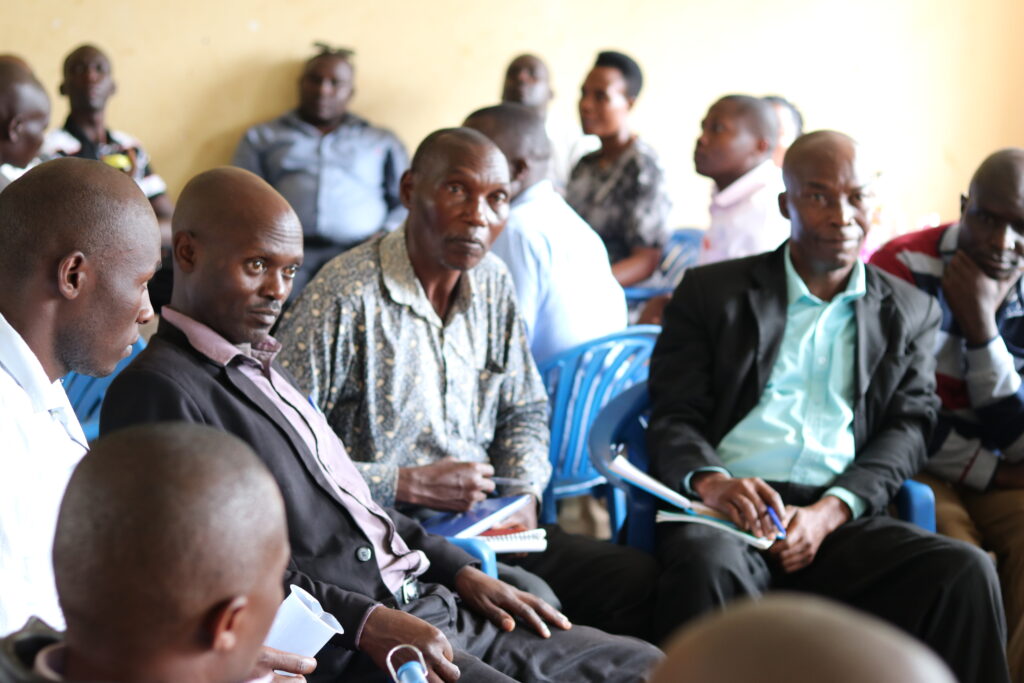
Participants’ reflections revealed both the depth of the challenge and the promise of change. Muyama Scovia, a teacher from Butunya Primary School, articulated a shift from abstract teaching to experiential learning, where pupils engage science through direct interaction rather than passive reception. This transition, though simple in concept, represents a profound reorientation of classroom practice.
From a systems perspective, the initiative also adopted a multiplier approach. As explained by Matanda Vincent, the Senior Education Officer for Bududa District, 20 schools were selected, each sending three representatives—including head teachers—to undergo training and subsequently disseminate the knowledge within their respective institutions. This model recognizes that sustainable reform depends not only on individual competence but also on institutional capacity.
Yet, even within this progress lies a critical insight: reform is iterative. Vincent’s appeal for additional materials underscores the reality that while knowledge enhances utilization, adequate resources remain essential for full impact. Without both, the system risks partial transformation.
Teachers like Kuloba Cyrus of Bukika Primary School offered a candid reflection on past limitations. The reliance on traditional teaching methods was not merely a matter of preference, but of constraint—where tools existed without the knowledge to use them. His renewed commitment to applying these new skills signals a convergence of readiness and capability, a necessary condition for meaningful change.
Ultimately, what took place in Bududa is more than a localized training; it is an illustration of a fundamental principle in education: that the value of resources is realized only through informed practice. By bridging the gap between possession and use, this initiative has begun to redefine what effective teaching looks like in these classrooms.
If sustained, such efforts hold the potential to reshape learning outcomes—not by increasing what schools have, but by transforming what they do with what they already possess.