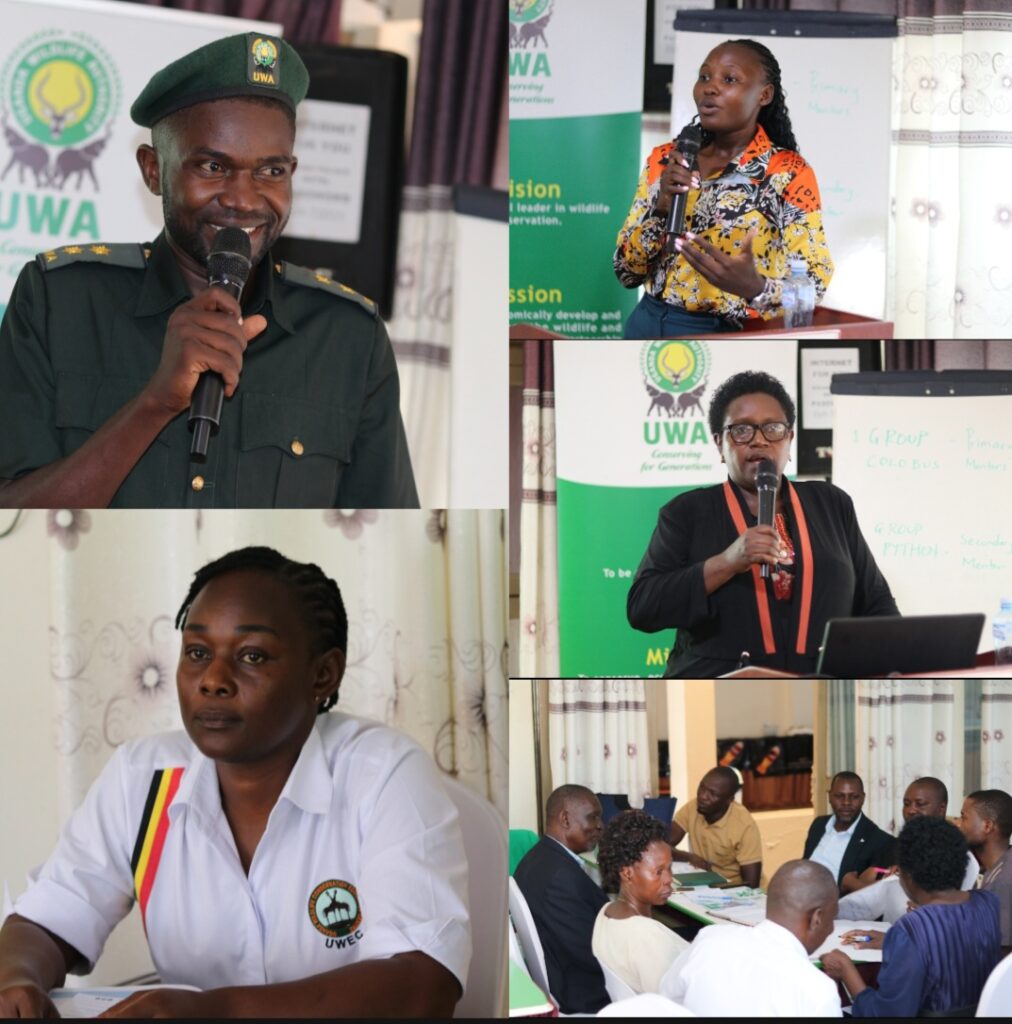
MBALE, UGANDA — The Mbale Wildlife Education Centre (MWEC), Mbale, has held a conservation education workshop for Wildlife Clubs patrons and teachers from the Elgon Sub-region, equipping them with knowledge and practical skills to promote wildlife protection and environmental sustainability among learners.
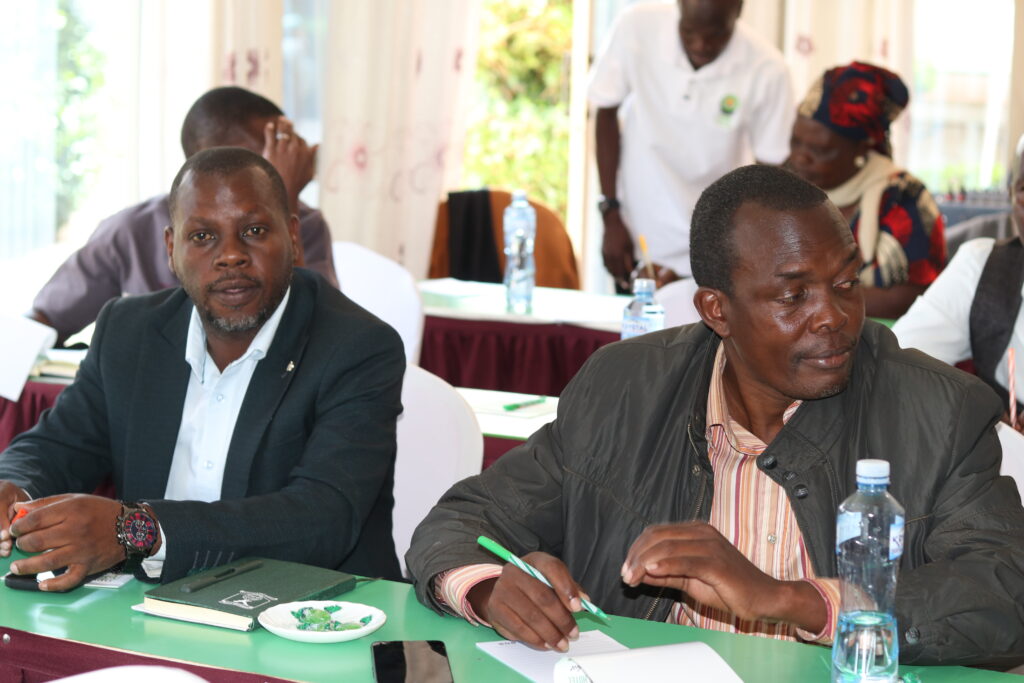
The training focused on the importance of wildlife conservation, practical ways of participating in conservation activities, and how teachers can integrate environmental education into Uganda’s Competency-Based Curriculum.
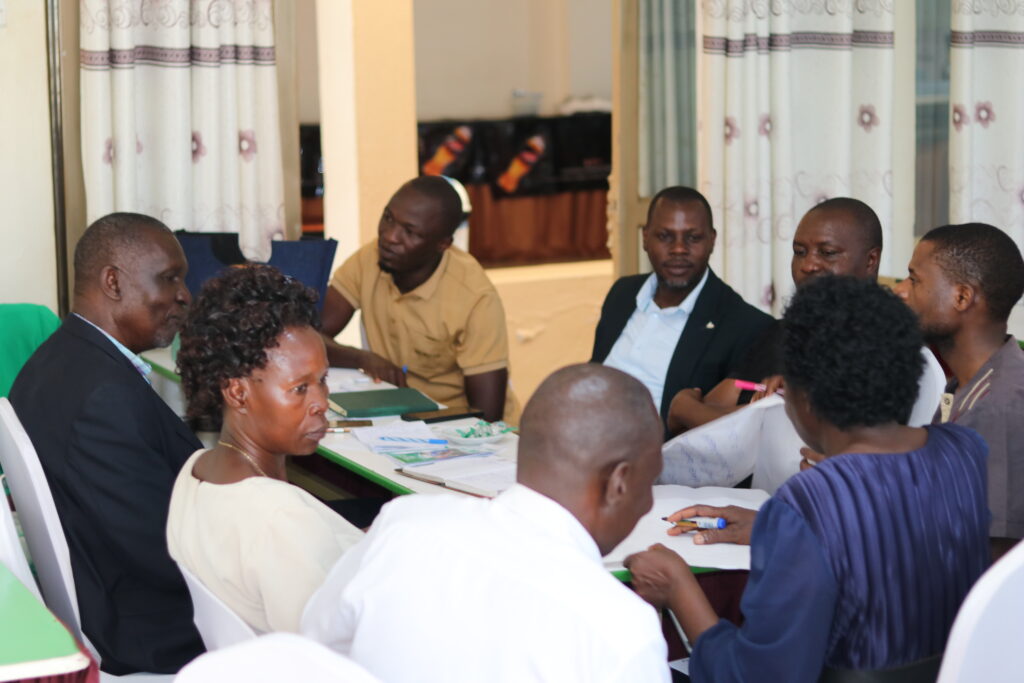
The workshop brought together conservation and education stakeholders who emphasised the importance of empowering teachers to nurture a generation that understands, appreciates and protects Uganda’s wildlife and natural heritage.
Mrs. Harriet Watsis, the Tourism and Hospitality Officer at UWA Mbale Zoo, thanked the teachers and patrons who participated in the workshop, appreciating their commitment to learning and promoting wildlife conservation.
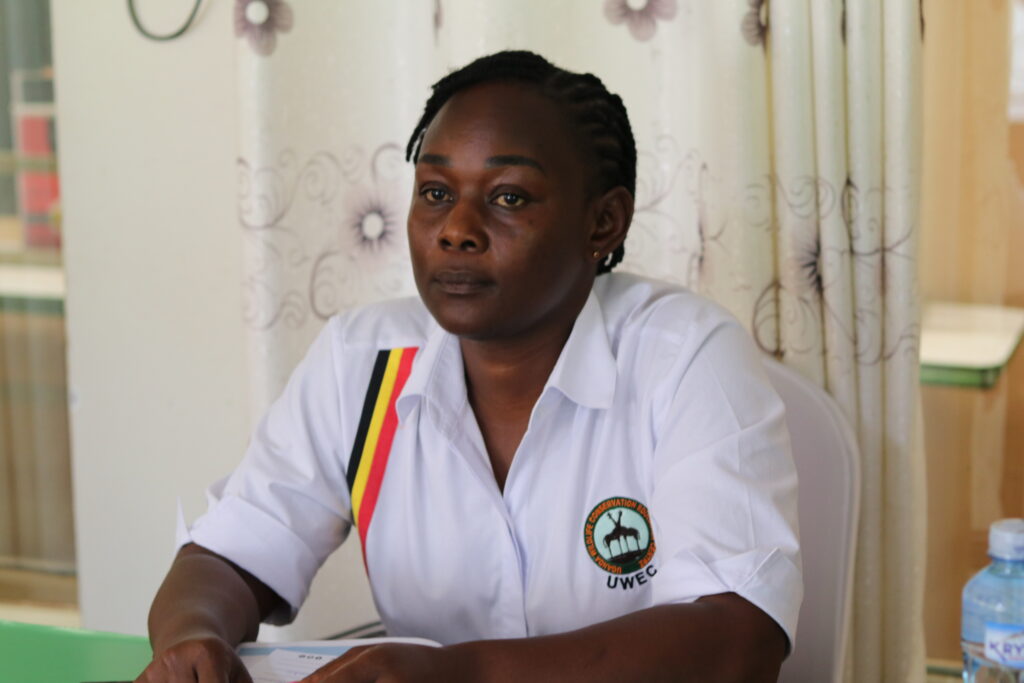
Watsis encouraged schools and individuals who had not yet joined the relevant wildlife club membership programme to obtain membership cards and become active partners in conservation education.
She also reminded existing members to renew their memberships to maintain their participation in wildlife education activities and strengthen their relationship with the institution.
She encouraged patrons to take advantage of the available educational opportunities, including guided zoo visits and conservation learning activities, to help learners acquire practical knowledge about wildlife and environmental protection.
Watsis emphasised that sustained cooperation between schools and wildlife education institutions is essential in expanding conservation awareness and inspiring students to become responsible environmental stewards
Mukisa Introduces CUA Framework for Practical Conservation
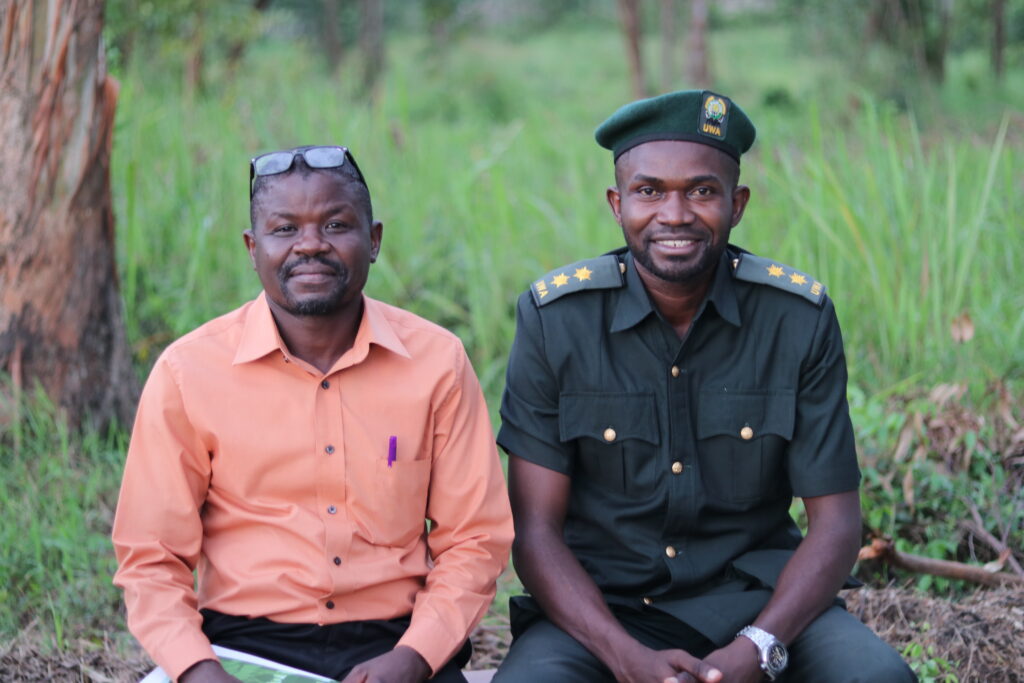
Mr. Emmanuel Mukisa, the Uganda Wildlife Education Officer in Mbale, delivered a presentation on the Connect, Understand, Act (CUA) framework, explaining how it can help teachers make conservation education more practical, engaging and impactful.
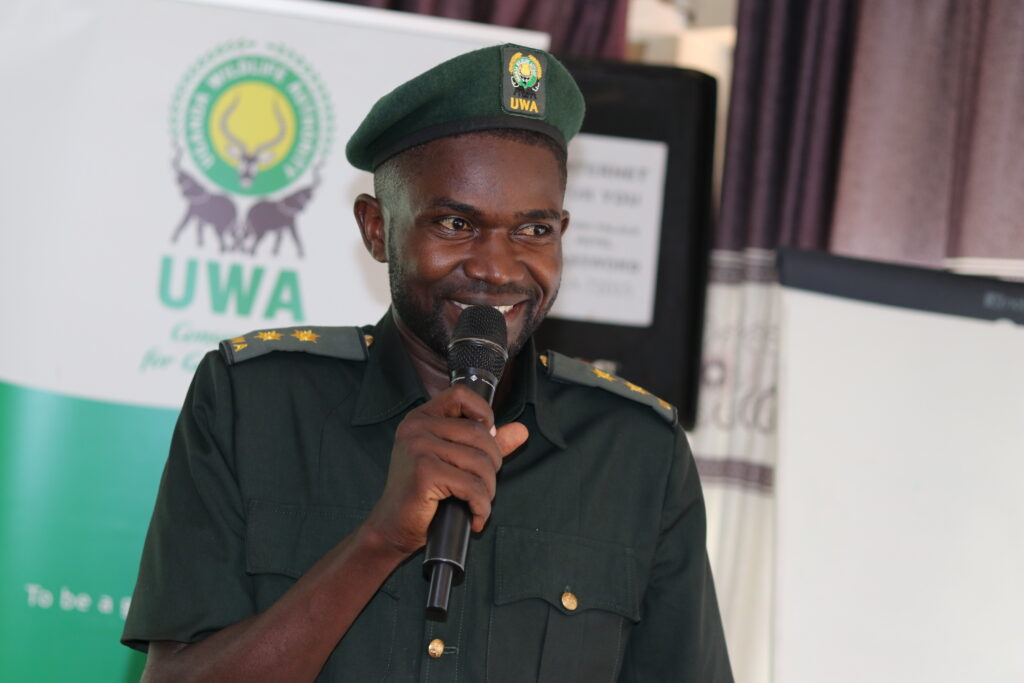
Mukisa explained that the framework encourages learners to develop a meaningful relationship with nature, understand environmental challenges, and take action to address them.
Under the Connect component, teachers were encouraged to help learners develop an appreciation for wildlife through zoo visits, nature walks, wildlife observation and other interactive activities that bring them closer to the natural environment.
The Understand component focuses on helping learners understand the importance of biodiversity, the role of wildlife in maintaining ecological balance, and the threats facing animals and their habitats, including pollution, habitat destruction, poaching and climate change.
The Act component encourages learners to turn their knowledge into practical solutions by participating in tree planting, protecting habitats, managing waste responsibly, supporting conservation campaigns and sensitising their communities about environmental protection.
Mukisa emphasised that the framework can help teachers move beyond theoretical instruction by providing opportunities for learners to observe, investigate and participate in conservation activities.
He encouraged patrons to use Wildlife Clubs as platforms for developing environmental responsibility, critical thinking, teamwork and problem-solving skills among students.
He further highlighted the importance of aligning conservation education with the Competency-Based Curriculum, which places emphasis on practical learning and the application of knowledge to real-life situations.
Biira Highlights Wildlife Conservation History, Benefits and Challenges
Ms. Olivia Biira, CEO of Mt. Elgon, delivered remarks on the history and development of wildlife conservation, highlighting its contribution to environmental protection, tourism, education and sustainable development.
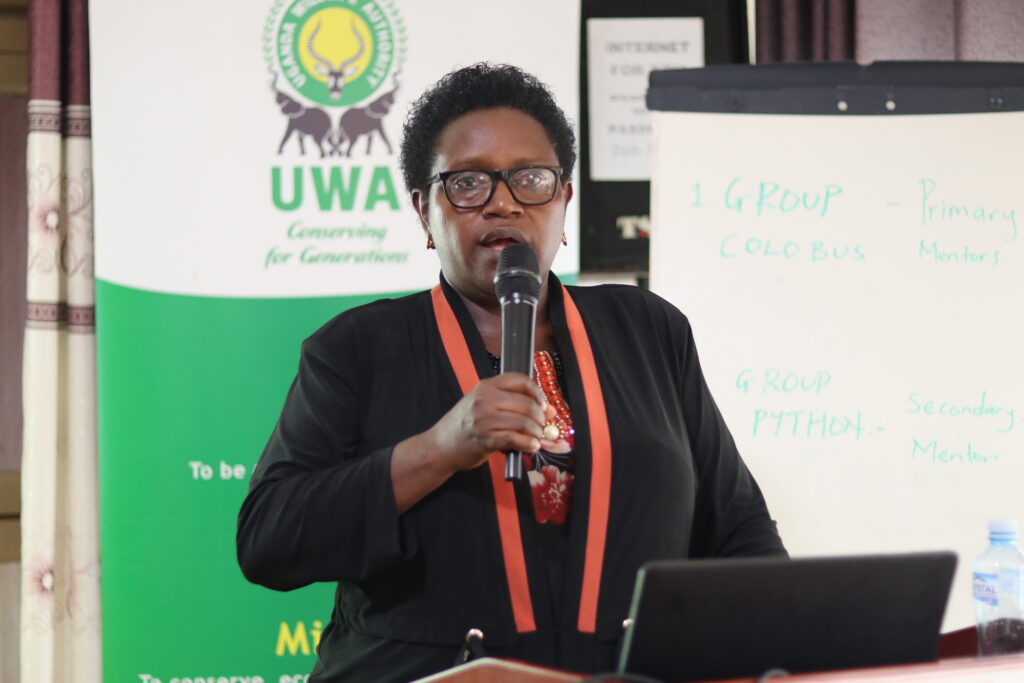
Biira reflected on the importance of understanding the background of wildlife conservation and the progress made in protecting natural resources, while emphasising the need to strengthen efforts to safeguard wildlife for future generations.
She noted that wildlife conservation contributes to biodiversity protection, supports tourism and employment, creates opportunities for research and education, and helps maintain the ecological systems on which communities depend.
However, she also highlighted challenges that require continued attention, including habitat loss, human-wildlife conflict, limited public awareness, environmental degradation and the need for stronger community involvement.
Biira urged teachers and Wildlife Clubs patrons to become ambassadors of conservation by sharing the knowledge gained during the workshop with learners, parents and surrounding communities.
She called for stronger partnerships among schools, conservation institutions, local leaders and communities to promote responsible environmental practices.
Looking to the future, she encouraged stakeholders to invest in conservation education, strengthen Wildlife Clubs and promote practical initiatives that enable young people to take responsibility for protecting Uganda’s natural heritage.
Mrs. Daphine Wabule Wamema, the Regional Coordinator for Wildlife Clubs in the Mt. Elgon Zone, officially opened the workshop, encouraging patrons and teachers to take an active role in promoting conservation awareness in their respective schools.
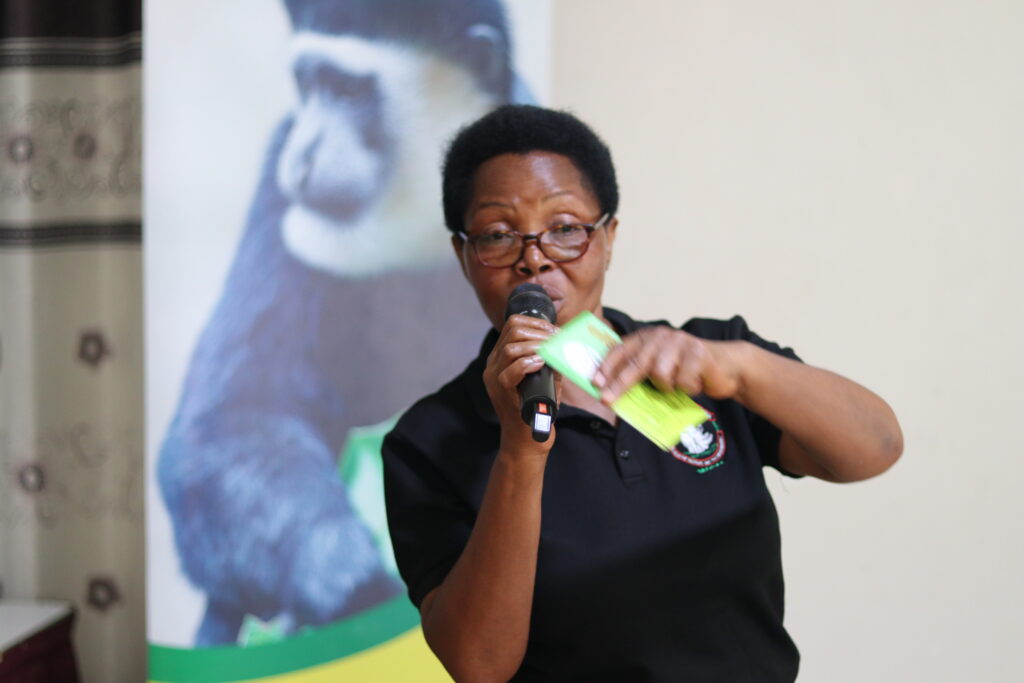
Wabule highlighted the important role teachers play in shaping learners’ attitudes towards wildlife and the environment, noting that Wildlife Clubs provide an opportunity for students to translate classroom knowledge into practical conservation activities.
She encouraged patrons to organise school-based environmental activities, arrange educational visits to the zoo, and involve learners in initiatives such as tree planting, waste management and habitat protection.
She also urged teachers to strengthen collaboration with wildlife education institutions to ensure that conservation becomes a continuous learning experience rather than a one-time classroom activity.
Wabule informed participants that students are charged UGX 6,000 per person for entry to the facility, but schools that book in advance pay a reduced rate of UGX 4,000 per student. Adult entry costs UGX 10,000, while children pay UGX 5,000.
She encouraged schools to plan their visits early to benefit from the discounted student rate and expose learners to practical wildlife education.
Ariyo Takes Teachers Through Practical Zoo Experience
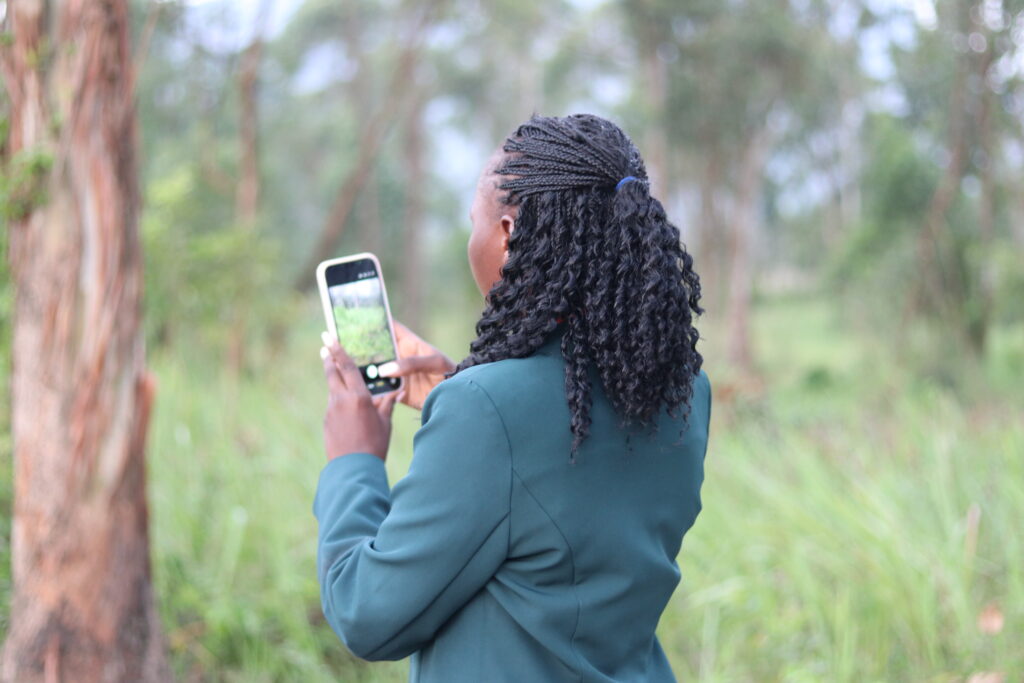
Mr. Ariyo, an Assistant Animal Keeper at UWA Mbale Zoo, complemented the workshop presentations with a guided tour of the facility, introducing participants to the animals and explaining aspects of their care and management.
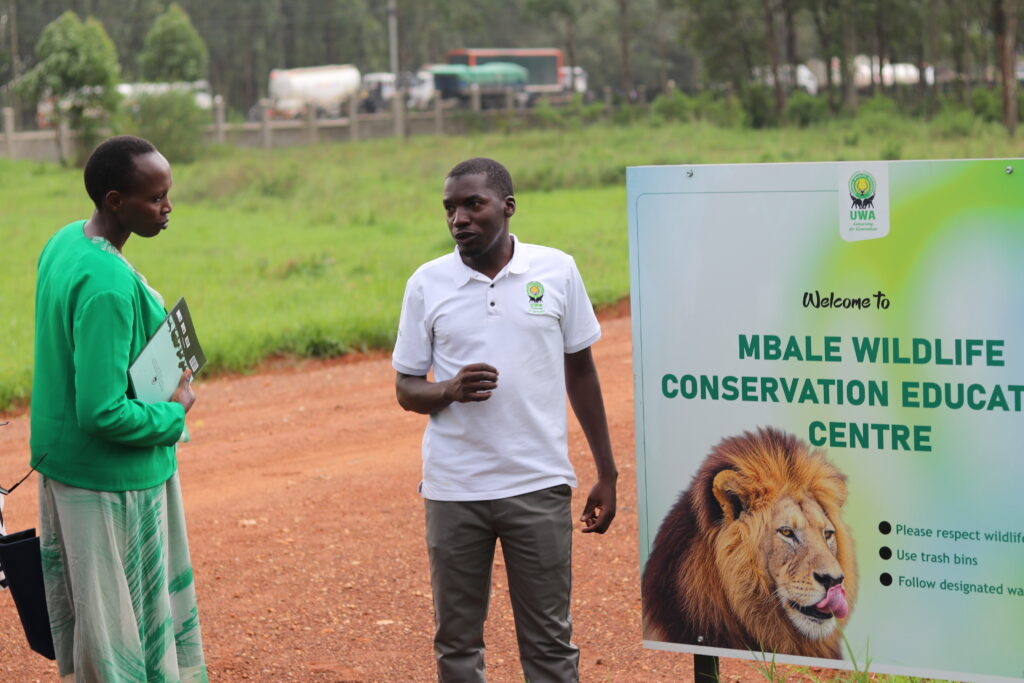
During the tour, he shared practical information about animal behaviour, feeding, habitats, welfare and the importance of protecting different wildlife species.
The session provided teachers with an opportunity to connect the conservation principles discussed during the workshop with real-life experiences.
Participants enjoyed the tour, which offered them practical insights they could share with learners and use when organising future educational visits.
The experience also demonstrated the value of wildlife facilities as learning environments where students can observe animals, ask questions and develop a deeper understanding of conservation.
Mbale City Inspector of Schools Welcomes Initiative
Ms. Khwaka Judith Winnie, the Inspector of Schools for Mbale City, welcomed the initiative, describing it as an important opportunity to support practical learning under Uganda’s Competency-Based Curriculum.
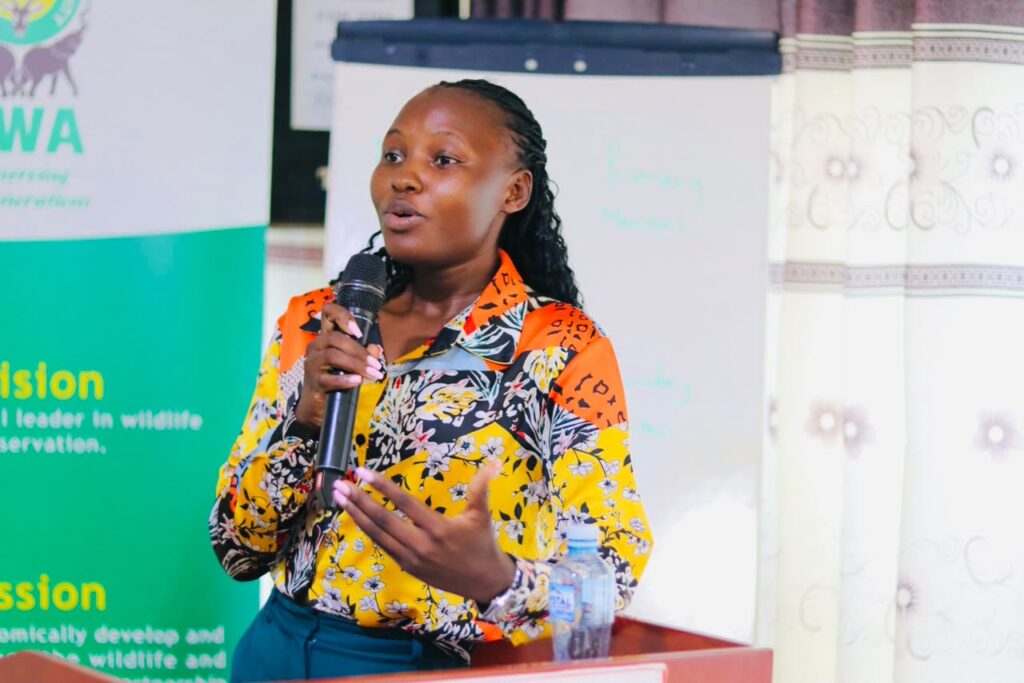
Khwaka noted that conservation education can help learners develop environmental awareness, critical thinking, creativity, teamwork and problem-solving skills while encouraging them to take responsibility for their surroundings.
She appealed to all teachers to take the initiative seriously and incorporate conservation-related activities into their school programmes for the benefit of learners and the environment.
She also pointed out that practical learning opportunities such as zoo visits can help students connect classroom lessons with real-world experiences, making education more engaging and relevant.
However, she encouraged the organisers and relevant wildlife authorities to address possible barriers to participation, including transport costs, limited school budgets, scheduling challenges and the need for better coordination between schools and the conservation sector.
Khwaka called for clear communication about available programmes, school visit arrangements and entry charges to help schools plan effectively.
She pledged to work closely with the organisers and other education stakeholders to support the initiative, improve coordination and encourage more schools in Mbale City to participate in wildlife conservation activities.
School Leaders Pledge Support for Conservation Education
Mr. Alex Wataka, Headteacher of Resilient High School, Bugema, appreciated the organisers for bringing teachers together to learn about wildlife conservation and its importance to education and environmental sustainability.
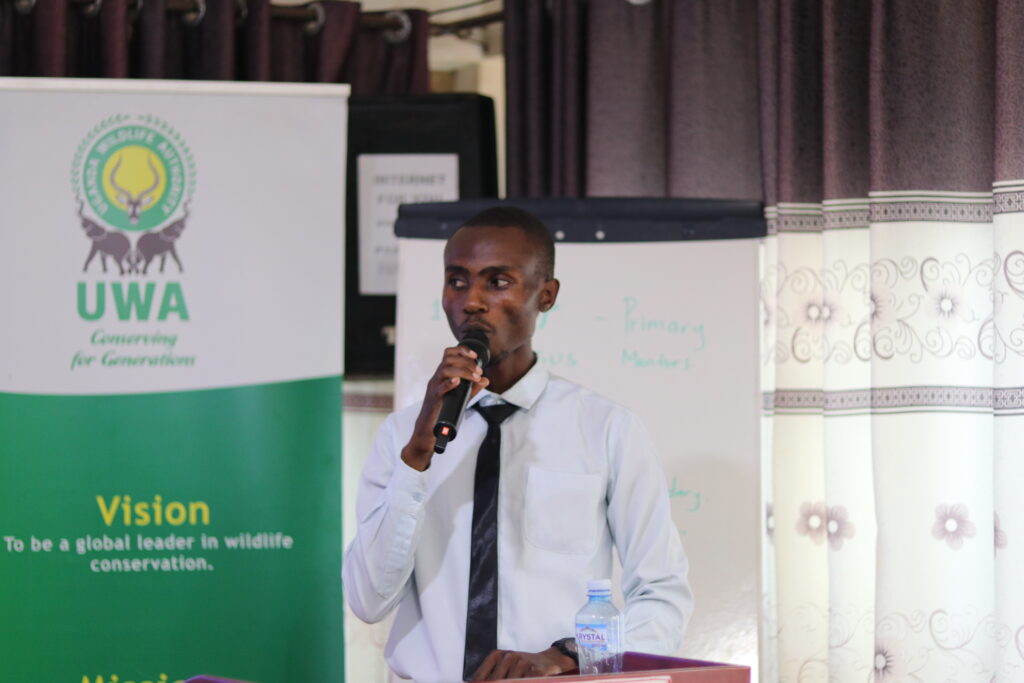
Wataka noted that the workshop had provided valuable knowledge and practical ideas that could be shared with learners through school-based conservation activities.
He pledged to support wildlife conservation initiatives at his school and expressed willingness to join the conservation network as a member.
He encouraged fellow school leaders and teachers to embrace such opportunities, noting that collaboration between schools and conservation institutions can help young people develop responsible attitudes towards wildlife and the environment.
Similarly, Mr. Andrew Mulako, a Wildlife Clubs patron at St. Stephen Comprehensive Secondary School in Namisindwa District, commended the workshop for broadening participants’ understanding of conservation and its practical application in schools.
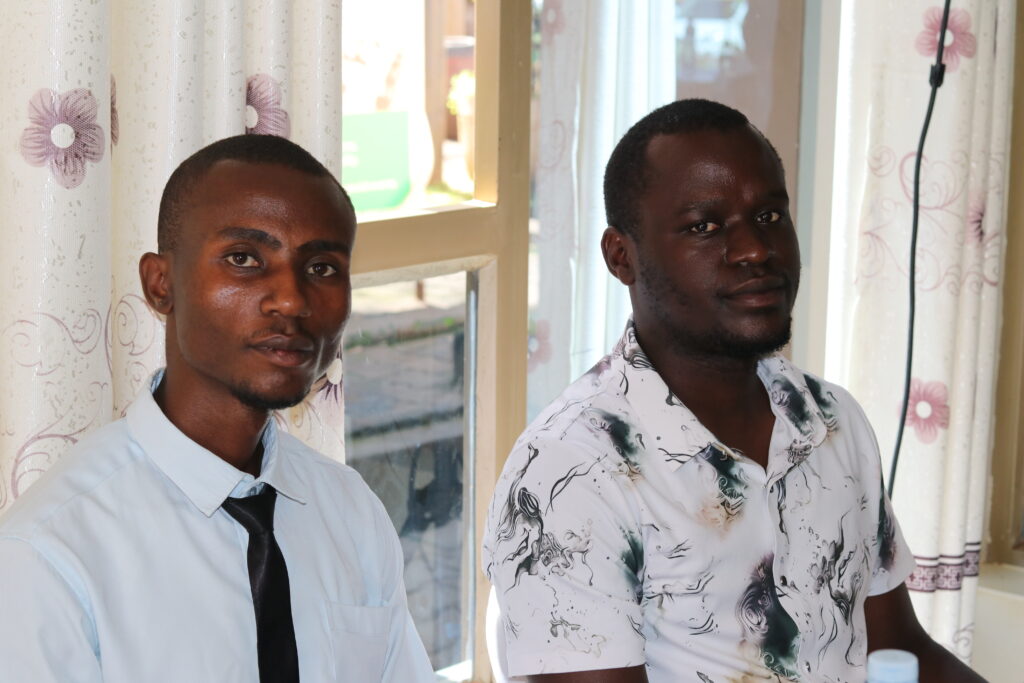
Mulako said the knowledge gained would help him guide learners more effectively and encourage them to appreciate the importance of protecting wildlife and natural resources.
He pledged to extend the conservation message to neighbouring schools and encourage fellow teachers and learners to visit the zoo for educational tours and practical learning experiences.
He noted that involving more schools would help expand conservation awareness across Namisindwa and the wider Mt. Elgon region.
Workshop Seeks to Build a Conservation-Conscious Generation